|
OPERATOR SIGNAL
|
|
BEFORE THE INVESTMENT COMMITTEE
|
Thematic Consensus Is Not the Same as Investment Edge
This week, Operator Signal looks at a PE150 survey showing where private markets see the strongest macro-driven opportunity, a diligence framework for separating AI exposure from AI value creation, and GE Aerospace's CPP acquisition as a reminder that strategic scarcity can still support premium pricing.
|
|
Hi there,
Across all three topics, the message is consistent: broad themes matter, but returns still depend on whether buyers can translate those themes into operating evidence.
Exact Insight surfaces these patterns early, directly from operator conversations, before they show up in CIMs or IC memos.
Access the full briefing or request expert calls in this sector to go deeper.
|
|
|
|
INSIGHTS FROM THE NETWORK
AI Has Become the Consensus Theme, But Execution Will Separate Winners
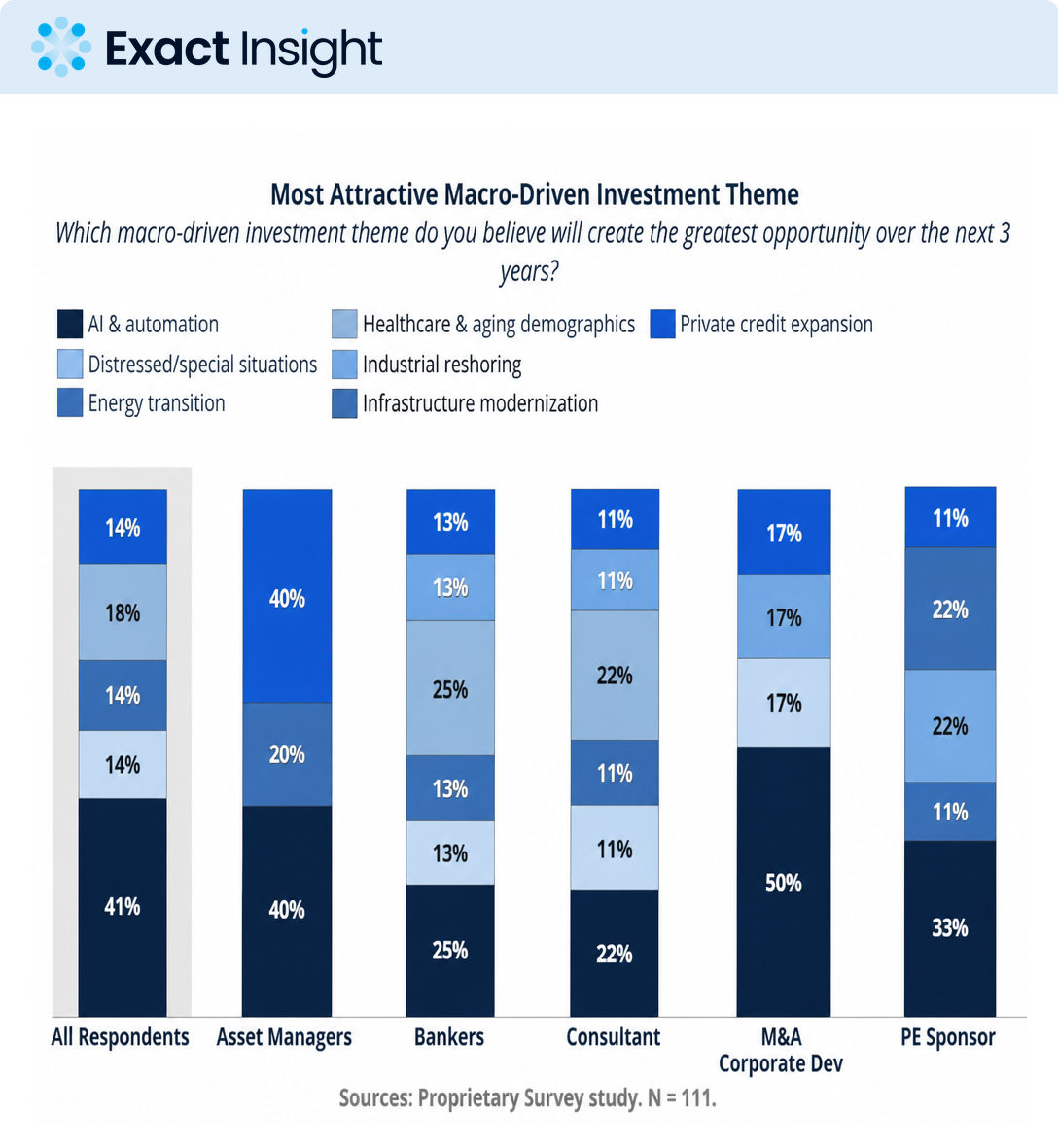
In the survey we conducted in partnership with PE150, AI and automation emerged as the clearest macro-driven opportunity for private markets over the next three years. AI captured 41% of responses, well ahead of healthcare and aging demographics at 18%, while energy transition, industrial reshoring, and distressed or special situations each landed near 14%.
That ranking matters because investors are not simply chasing a near-term cycle. They are gravitating toward themes they believe can reshape cost structures, productivity, customer retention, and margin expansion across multiple sectors.
The harder question is whether a company has genuine AI-enabled operating leverage or only thematic adjacency. For sponsors, the opportunity is not just buying companies that sell AI products. It is identifying businesses where automation can improve workflow economics, pricing power, implementation speed, or customer outcomes in measurable ways.
|
|
|
|
PRE-DEAL INTELLIGENCE
Is AI a Feature, a Workflow, or a Margin Lever?
A target's AI story should not be accepted as a category label. Buyers should separate three different claims: AI as a product feature, AI as a workflow improvement, and AI as a margin lever. Only the last two are likely to matter in underwriting unless customers are demonstrably paying for the feature itself.
The diligence work should start with evidence. Where has AI changed cycle time, headcount intensity, error rates, conversion, retention, pricing, or support burden? Which metrics improved after deployment, and which improvements can be isolated from normal growth or implementation noise?
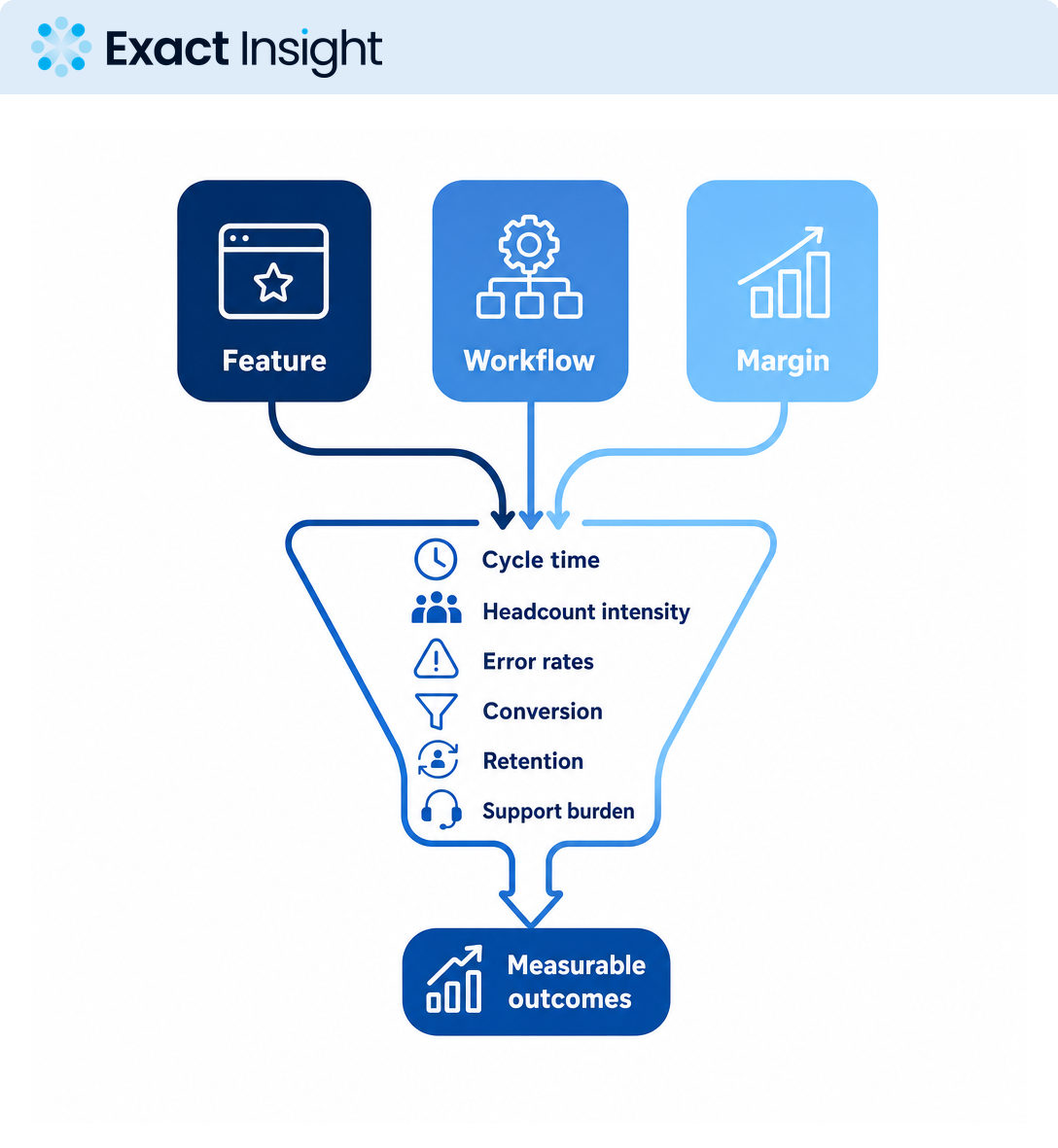
If the company cannot connect AI usage to measurable operating outcomes, the investment case should treat AI as narrative upside rather than base-case value creation.
|
|
|
|
LESSONS FROM THE FIELD
GE Aerospace Shows Why Strategic Scarcity Still Commands Value
GE Aerospace's planned $11.75B acquisition of Consolidated Precision Products shows why buyers still pay up for assets that solve hard operating constraints. CPP gives GE more control over mission-critical casting capacity across commercial engines, aftermarket, and defense.
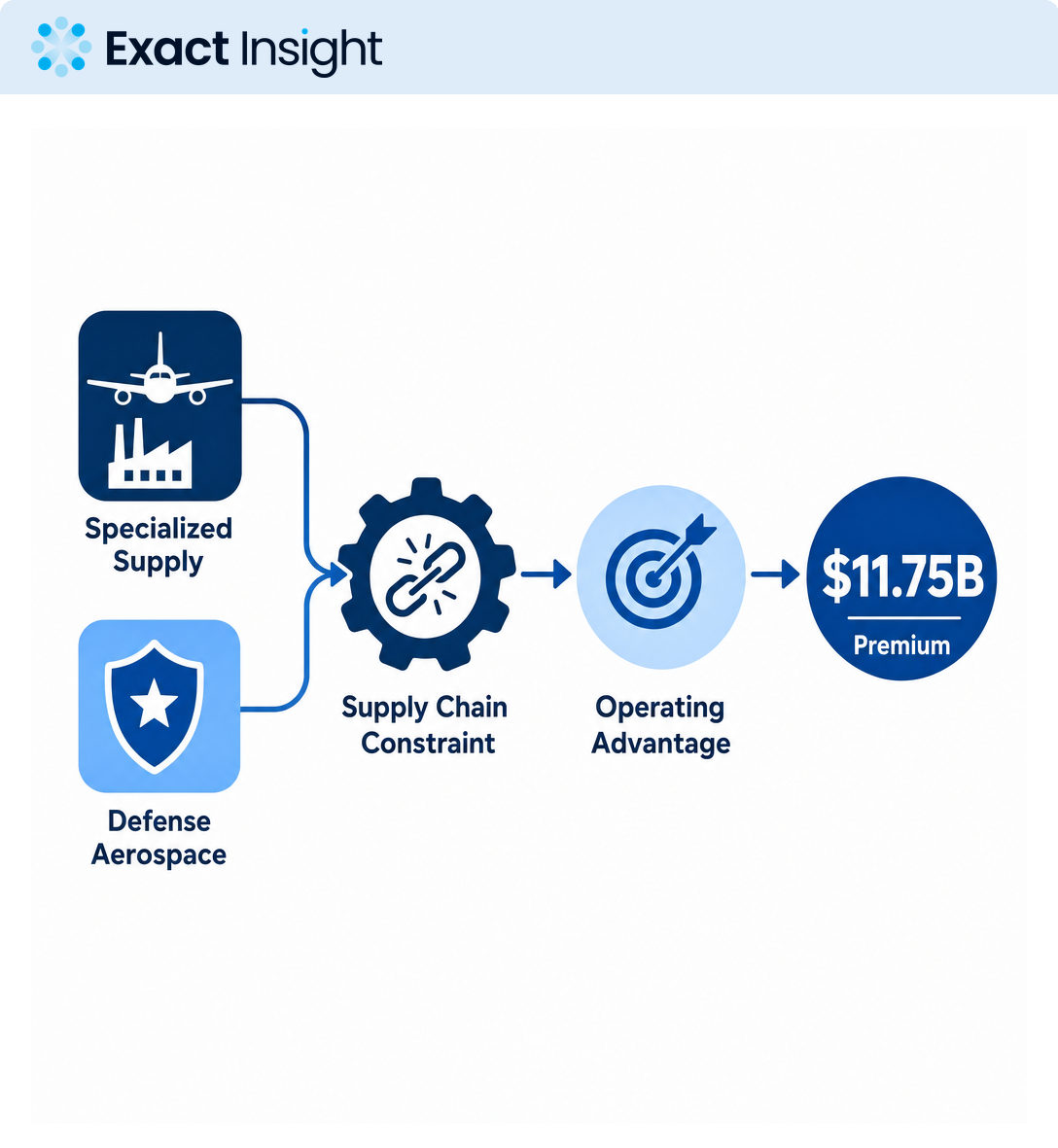
The lesson for sponsors is simple: strategic value has to map to a real bottleneck. Whether the asset is a supplier or an AI-enabled workflow platform, the premium is easier to defend when it changes the buyer's operating model.
|
|
|
|
INTERESTING ARTICLES
Worth Your Time
AI Leads as Investors Bet on Structural Growth
Embedding AI-powered operational alpha
The New Era in Tech Investing Starts Now
AI, Automation, and Robotics Are Reshaping Value Creation for Private Equity
|
|
Operator Signal · by Exact Insight
Exact Insight · 170 Mason Street, Greenwich, Connecticut 06830, United States
You're receiving this because you subscribed to Operator Signal.
|
|