|
Operator Signal · Before the IC Memo
3 Signals Every PE Investor Should Read This Week
Capital is available, but conviction is rationed. This week's signal: where appetite is concentrating — and where it isn't.
|
|
Opening Words
Operator Signal. Before the Investment Committee.
This week's signal highlights a market where access no longer guarantees appetite. Capital solutions and growth narratives remain available, but investor willingness to back them is becoming far more selective. The gap between what can be marketed and what earns real conviction is widening.
Insights from our network and recent deal flow reveal three focal points: a participation ceiling in continuation funds, where LPs support GP-led deals selectively; a valuation blind spot in how beta is applied, often using public-market shortcuts for private assets; and the importance of pricing power in consumer deals, where small price moves can create rapid EBITDA upside.
The takeaway: treat continuation vehicles as asset-specific tools, beta as an underwriting judgment, and pricing as a core diligence lever. In a market where capital is available but conviction is rationed, precision wins.
Exact Insight surfaces these patterns early — directly from operator conversations — before they show up in CIMs or IC memos.
Access the Full Briefing →
|
|
Insights From the Network
Continuation Funds Hit a Participation Ceiling
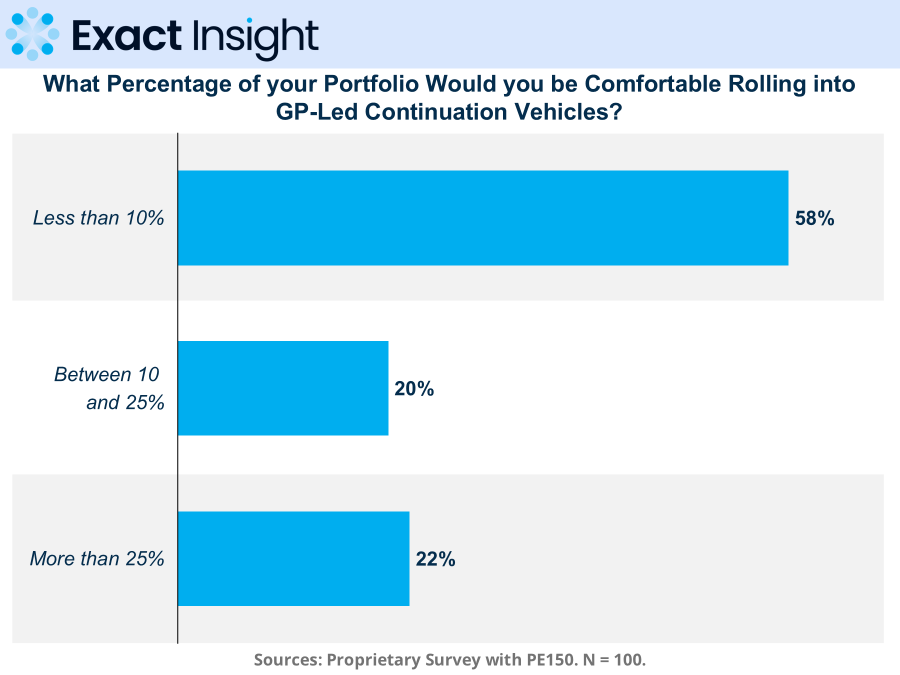
Our latest survey with PE150 suggests the continuation fund market is expanding, but LP conviction has clear boundaries. When asked what share of their portfolio they would be comfortable rolling into GP-led continuation vehicles, 58% said less than 10%, while only 22% said more than 25%.
The takeaway is important: continuation funds are now an accepted liquidity tool, but not an unlimited one. LPs are participating selectively rather than structurally, using these transactions to solve specific portfolio needs instead of making them a major allocation bucket.
For GPs, that means continuation vehicles can no longer be treated as an automatic path to hold assets longer. Investors are underwriting these deals with the same scrutiny as new commitments, focusing on valuation, governance, alignment, and whether the asset genuinely deserves more time and capital.
As more deals come to market, quality dispersion will become more visible. Strong businesses with credible upside should continue to attract demand. Assets perceived as being recycled for convenience are likely to face resistance.
For LPs, discipline remains key. Continuation funds can create flexibility, but overexposure can increase concentration risk at a time when many portfolios are already managing slower distributions and extended hold periods.
The market is still growing, but appetite is not growing evenly. That gap between supply and conviction will shape the next phase of continuation fund activity.
Read the Full Article →
|
|
Diligence Blind Spot
Beta Is Rarely One-Size-Fits-All
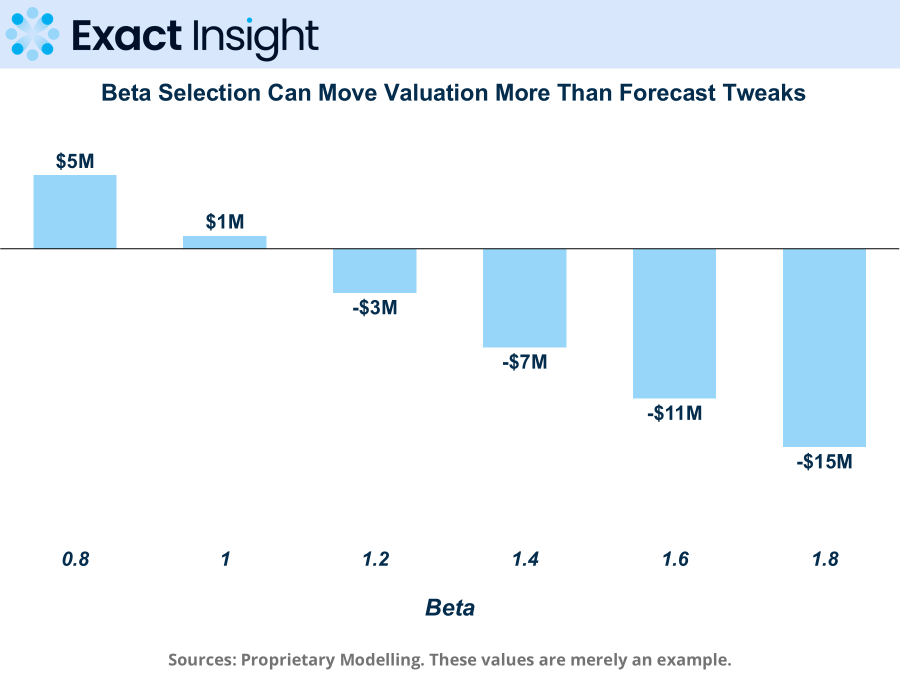
In private investment projects, beta is often pulled from public comps and dropped straight into the model without adjusting for leverage, size, concentration risk, illiquidity, or cyclicality. That can materially understate or overstate the discount rate and distort valuation.
Practically, teams should unlever peer betas, re-lever to the target capital structure, then overlay judgment for private-market risks such as customer concentration, smaller scale, key-person dependency, and exit uncertainty.
A beta set too low can make average deals look compelling. A beta set too high can screen out strong opportunities. In many cases, the valuation error begins with beta selection — not the operating forecast.
|
|
Pre-Deal Intelligence
Pricing Can Often Be the Fastest EBITDA Lever
For private equity investors diligencing consumer businesses, pricing is often the fastest and highest-quality value creation lever. New products, store openings, and channel expansion take time. Effective pricing strategy can improve earnings almost immediately.
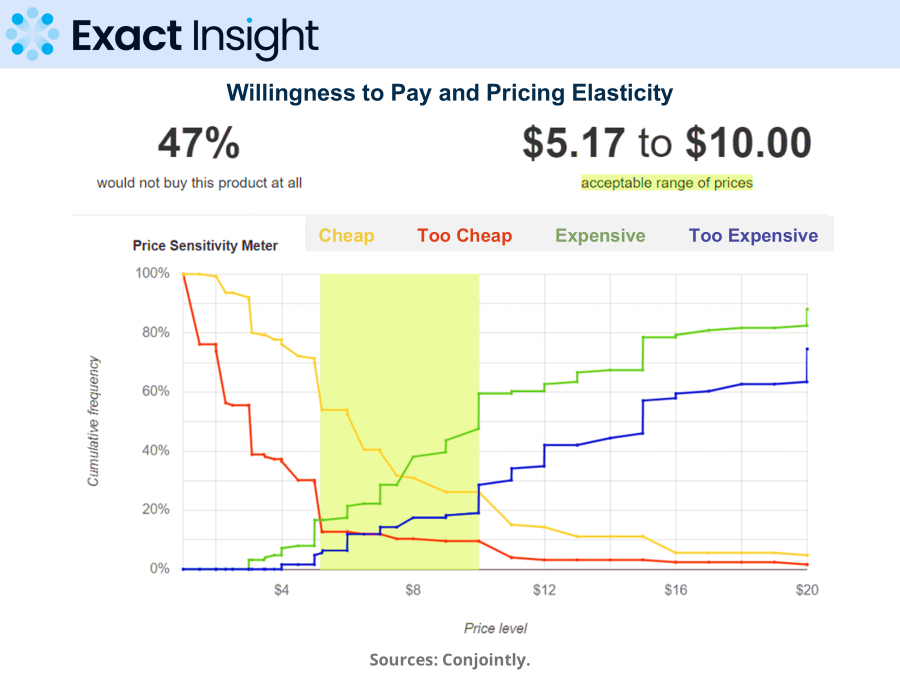
The critical pre-deal question is not simply whether management can raise prices — it is whether customers will accept higher prices without meaningful demand erosion. That requires assessing two core metrics: willingness to pay (WTP) and price elasticity.
WTP helps investors understand the price range customers perceive as fair and competitive. It identifies where a brand may be underpriced, fully optimized, or already pushing resistance levels. Elasticity measures how sensitive volume is to price changes and reveals whether future pricing actions are likely to drive profit growth or customer churn.
Together, these insights allow investors to build a more credible underwriting model. A business with strong brand equity and low elasticity may have clear headroom for margin expansion. A highly price-sensitive business may require operational improvement or mix shift rather than aggressive pricing.
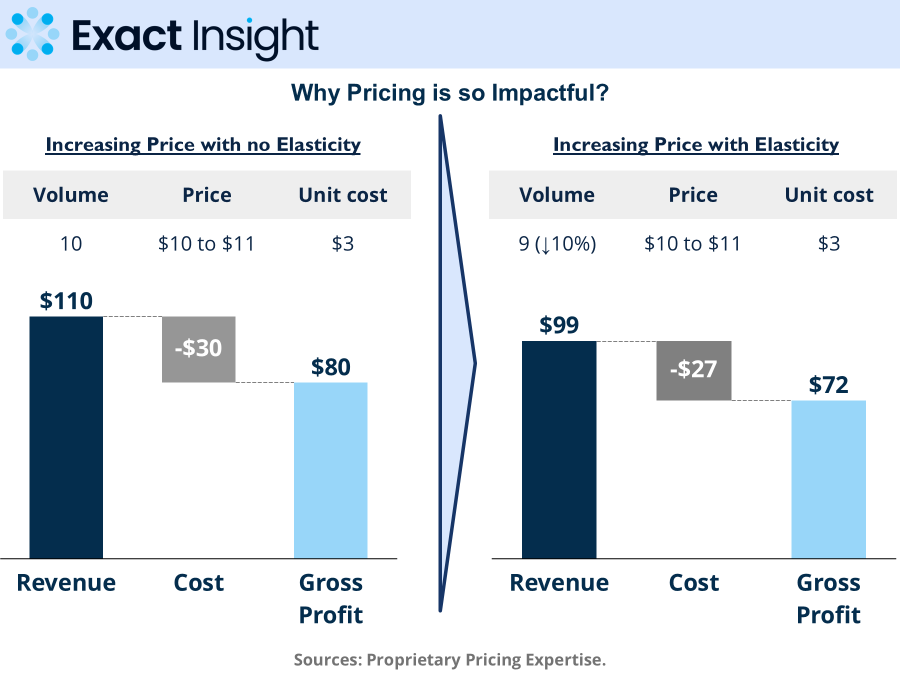
Conceptually, even small pricing improvements can create outsized earnings impact because incremental price often flows through margins more efficiently than incremental volume growth. That is why understanding pricing power before signing matters so much.
What to Pressure-Test During Diligence
- Historical price increases and customer retention
- Competitor price positioning
- Segment-level WTP by customer cohort
- Promotional dependency
- SKU/service-level elasticity
The takeaway: pricing diligence should be central to every consumer deal. In many cases, the real upside sits in price architecture — not the growth story.
|
|
Interesting Articles
Worth a Read This Week
|
Want to weigh in on the next survey?
Exact Insight is built from operator signal — and the next cut is already in motion. If you're a C-suite leader, director, or senior practitioner and want to contribute (and get early access to the findings), join our next survey.
Sign Up to Participate →
|
|
|